March 3, 2026
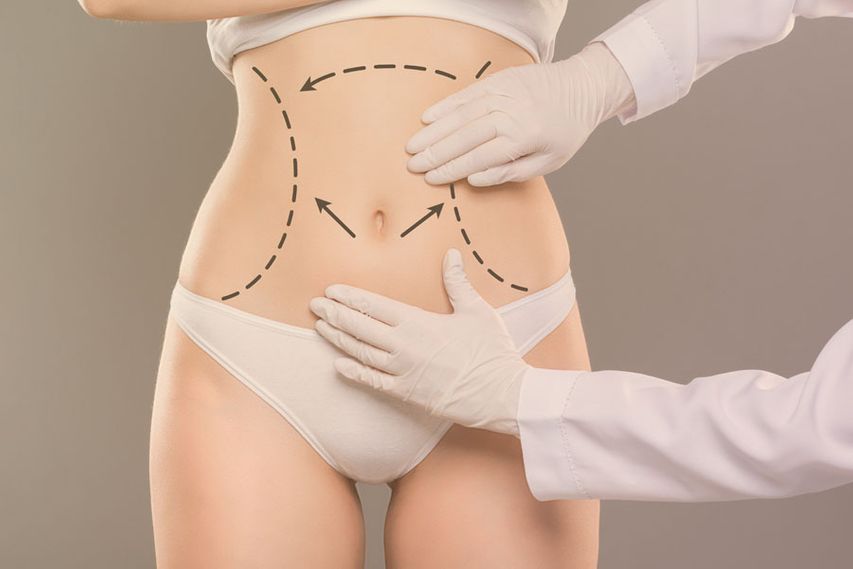
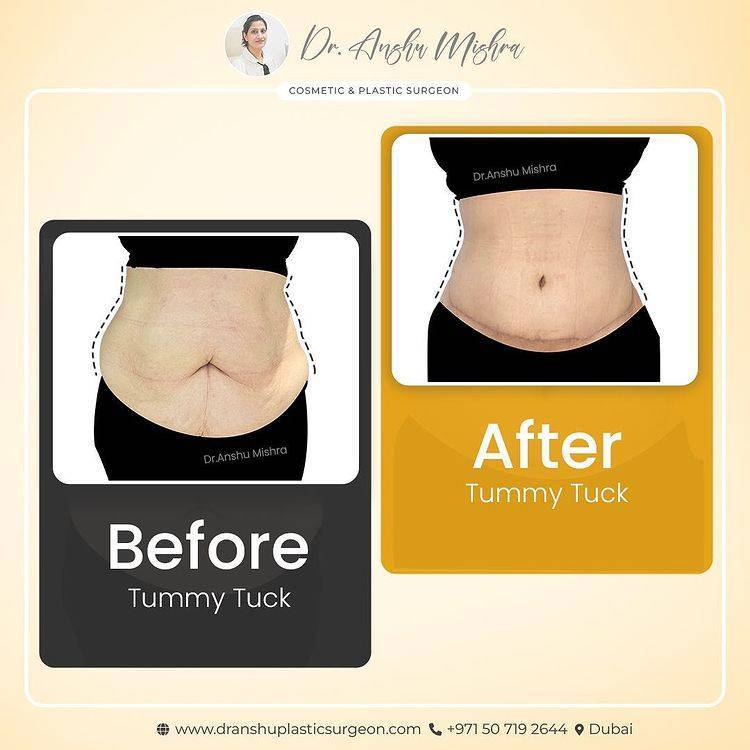
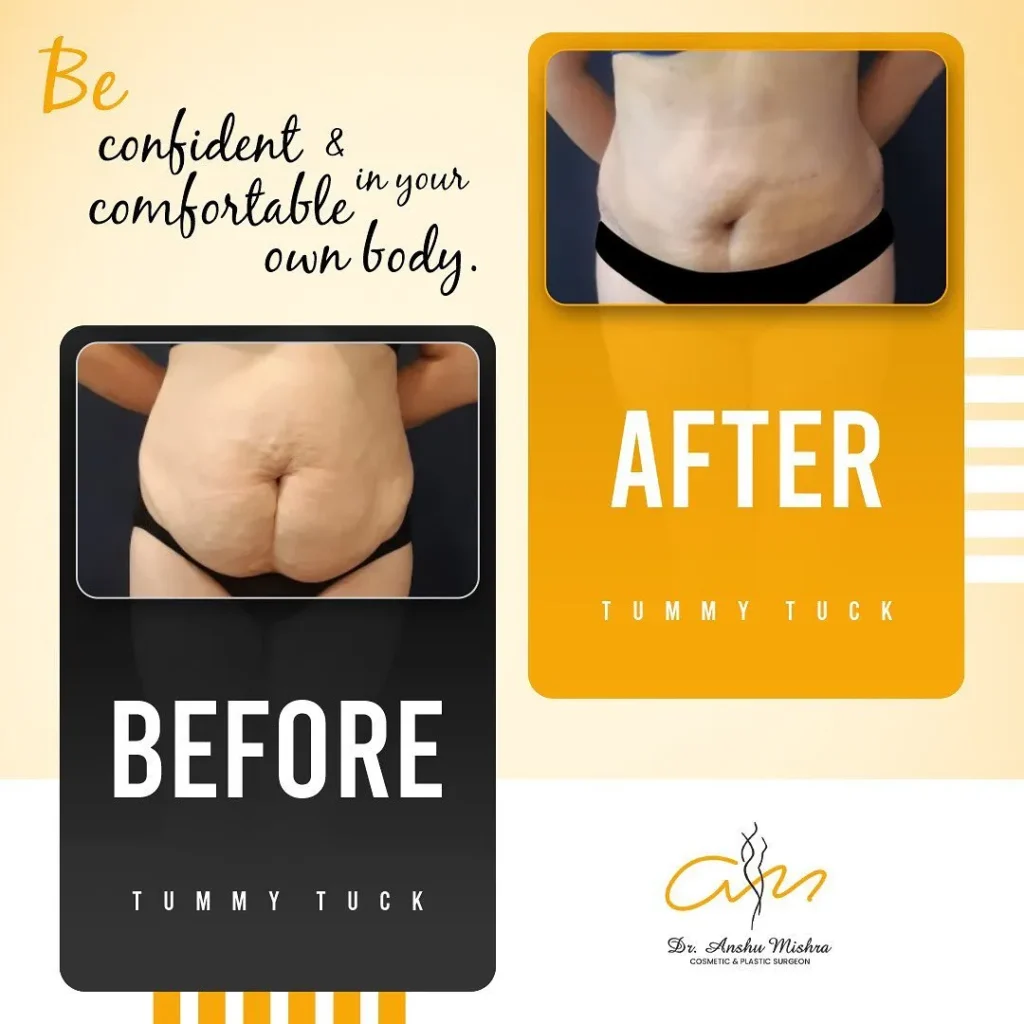
Are you concerned about the excess loose skin and fat deposits around the abdominal area that affects your overall health or the way you look? Well, you are not alone. As per annual statistics released by The Aesthetic Society, the tummy tuck procedure or abdominoplasty is the third most performed surgery after liposuction and breast augmentation. Tummy tuck surgery in Abu Dhabi is on the rise owing to its positive outcomes in the life of people.
Table of Contents
ToggleAs we go through the normal processes of our life, we encounter many unavoidable changes such as-
These changes take a toll on your health which is ultimately reflected in your body. They can render your skin loose and inelastic, disfiguring the tummy area.
Whatever be the cause, these changes can be safely and effectively treated by the procedure called tummy tuck or abdominoplasty.
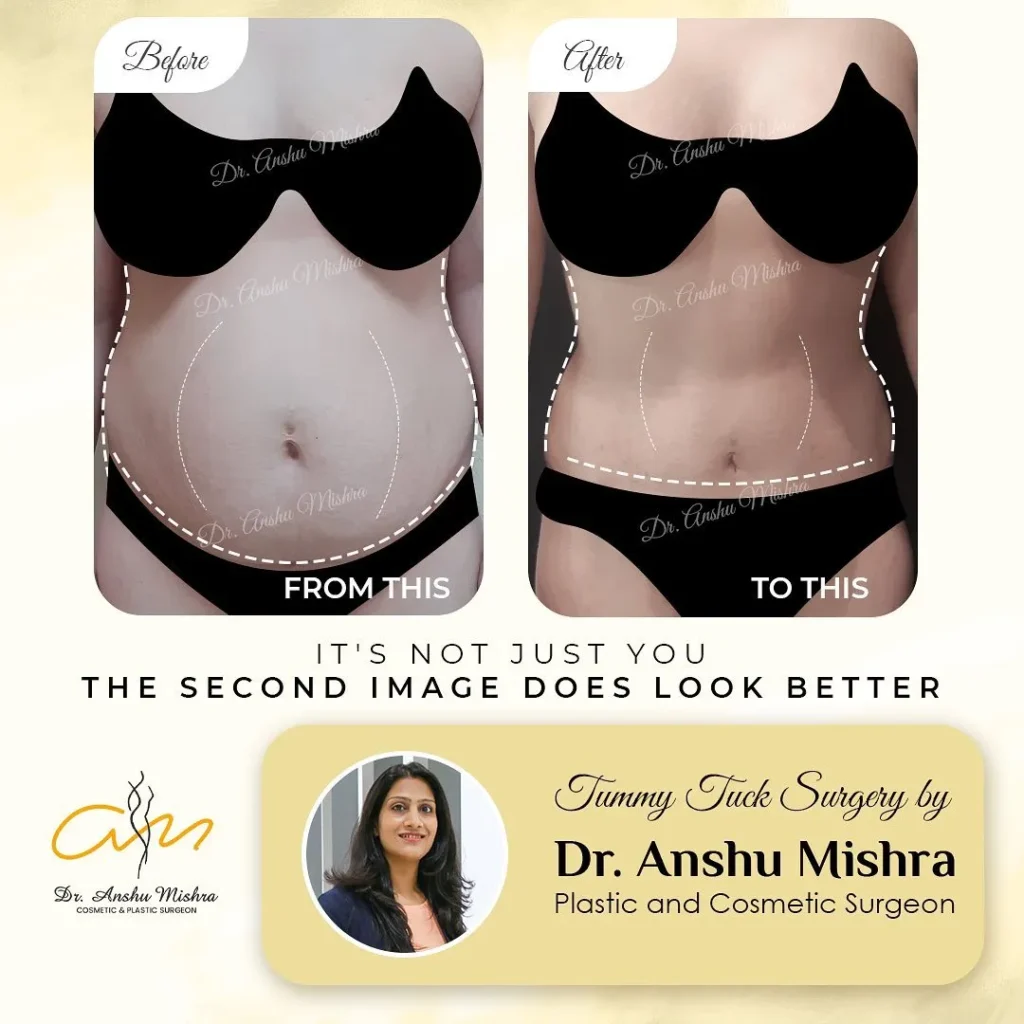
A tummy tuck is a surgical cosmetic procedure that is performed to remove the excess loose skin, excess fat and tighten the abdominal muscle to give a proportionate body contour. A tummy tuck surgery in Abu Dhabi is performed when you have:
Tummy Tuck Surgery, also known as abdominoplasty in Abu Dhabi, comes in several variations to cater to the diverse needs of patients. The choice of the type of tummy tuck largely depends on the individual’s specific concerns and goals. Here are some common types of tummy tuck surgery:
This is the most comprehensive tummy tuck procedure. It involves a horizontal incision made just above the pubic area, from hip to hip. The surgeon will remove excess skin and fat, tighten the abdominal muscles, and reposition the navel if necessary. This procedure is suitable for those with significant skin laxity and muscle separation, often due to pregnancy or major weight loss.
This is less extensive than the full tummy tuck procedure. It involves a horizontal incision made just above the pubic area, smaller than the incision given in full tummy tuck and does not involve tightening of the abdominal muscles above the navel.from hip to hip.
This procedure is suitable for patients who require more extensive correction, often after massive weight loss. It addresses excess skin and fat not only in the abdomen but also extends around the hips and flanks. The incision is longer, but it provides a more comprehensive transformation of the abdominal and torso area.
Also known as a body lift, this procedure targets not only the abdomen but also the lower back and buttocks. It involves a 360-degree incision around the waistline. Circumferential tummy tuck is often chosen by individuals who have undergone significant weight loss and want to address excess skin and tissue in multiple areas.
This minimally invasive technique uses small incisions and a camera to tighten the abdominal muscles. While it’s not suitable for everyone, it offers a quicker recovery with less scarring.
This specialized tummy tuck is ideal for patients with a significant amount of excess skin, often following massive weight loss. It involves both horizontal and vertical incisions, creating a shape reminiscent of a fleur-de-lis.
Each type of tummy tuck surgery has its unique advantages and is tailored to meet specific patient needs. Consulting with an experienced surgeon, like Dr. Anshu Mishra, will help determine the most appropriate procedure to achieve your desired results for abdominoplasty in Abu Dhabi.
The first and foremost benefit of tummy tuck surgery in Abu Dhabi is to provide a toned abdomen. The surgery has benefited many who wished to experience an improved appearance by removing the excess fat and skin around the abdominal area. The cosmetic benefits from the tummy tuck procedure includes:
Though patients seek surgery for enhanced body tone and contours, it has several other medical benefits as well.
There are a series of steps involved in a tummy tuck procedure irrespective of the age and gender of the patient. During your initial assessment, your surgeon will analyze your overall health for planning the treatment. A tummy tuck procedure involves the following steps.
Your surgeon will guide you through the whole procedure and anesthesiologist will assess you for the fitness for general anaesthesia.
Your surgeon will make an incision just above the pubic area and an additional incision around the belly button to reposition the belly button. In case of mini tummy tuck, the length of incision over the pubic area is small.
The excess skin and fat are removed, and the surgeon will tighten the abdominal muscles to achieve a toned abdominal look.
The skin is pulled down after excising the loose lower abdominal skin .A small hole is created for positioning the belly button which is then popped through the surface.
Incisions are sutured once the position of the belly button is fixed, and the required abdominal shape is obtained.
After your tummy tuck surgery in Abu Dhabi, follow these key steps for a smooth recovery:
Recovery times vary based on the surgery type, so be patient and prioritize proper healing for the best result
Your surgeon’s years of experience contribute to an outstanding outcome for any aesthetic operation. Dr. Anshu Mishra has successfully treated patients from various walks of life throughout her 11 years of practice. Dr. Anshu Mishra is a member of numerous Indian and international aesthetic plastic surgeon groups whose primary goal is to improve cosmetic surgery outcomes via research and education. Being a member of a professional organisation like this keeps surgeons up to date on the newest research and innovations in cosmetic surgery, which helps them provide better results for their patients. Some of her notable accomplishments include:
The scar usually runs horizontally along the lower abdomen, just above the pubic area. Most surgeons place it where it can be hidden under underwear or swimwear. Initially, it may look red and raised, but over time—with proper care—it fades and flattens. There are also treatments like silicone gels, laser therapy, and microneedling that can improve the appearance of scars. Your surgeon will guide you on the best scar-care plan based on your skin type.
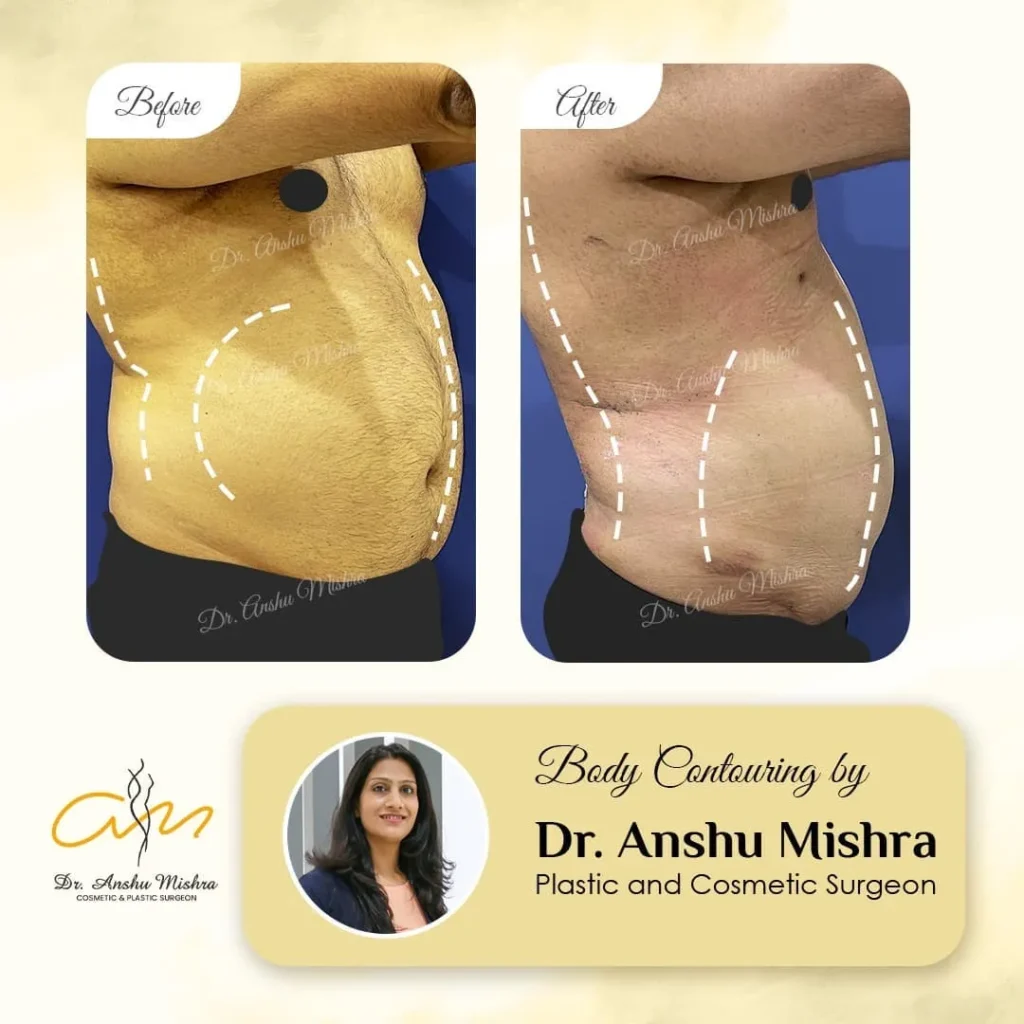
Absolutely. While many associate abdominoplasty with women (especially post-pregnancy), men also seek tummy tucks—especially after major weight loss. The concerns are similar: loose skin, weakened muscles, and stubborn fat that doesn’t respond to diet or workouts. The surgical approach may be slightly adjusted for male anatomy, but the goals are the same—flatter, firmer, more defined abs. A growing number of men in Abu Dhabi are opting for cosmetic procedures, and tummy tucks are high on the list.
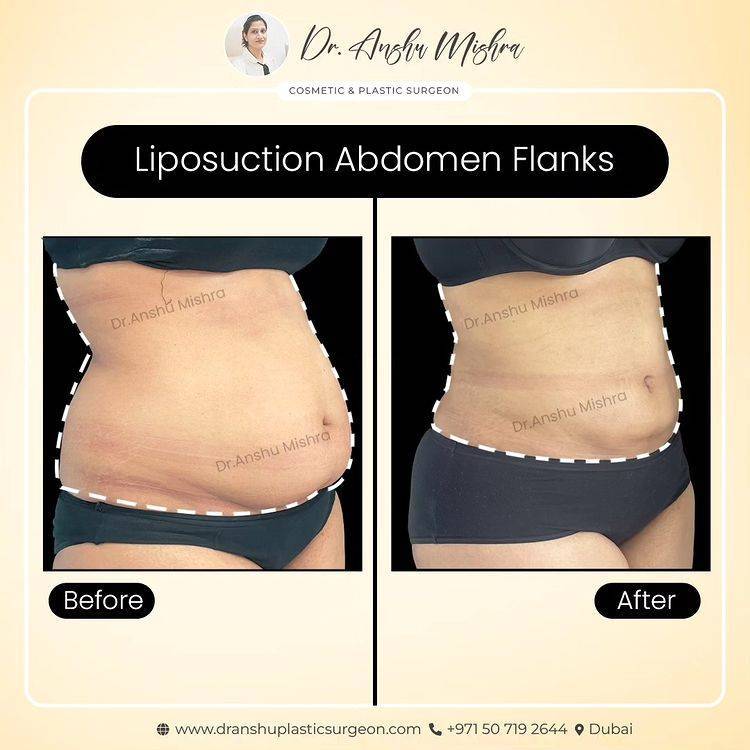
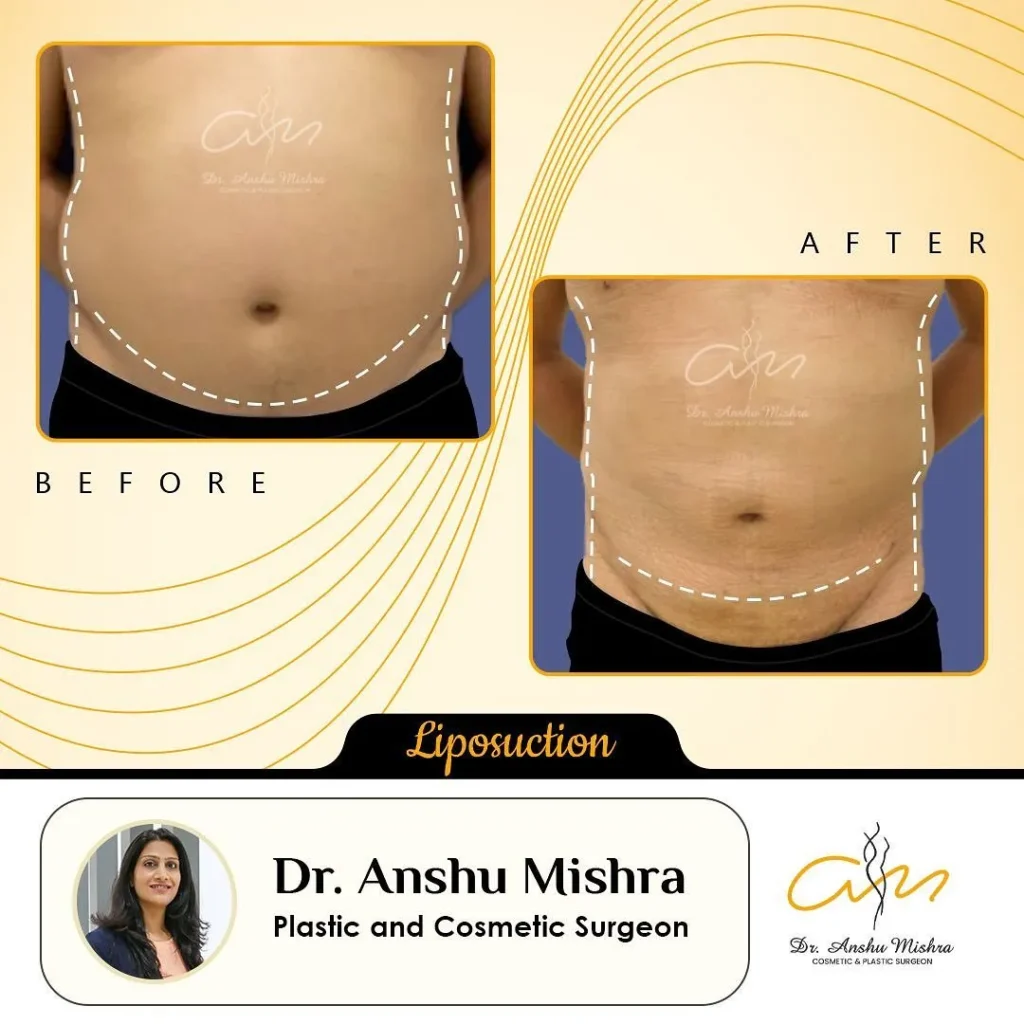
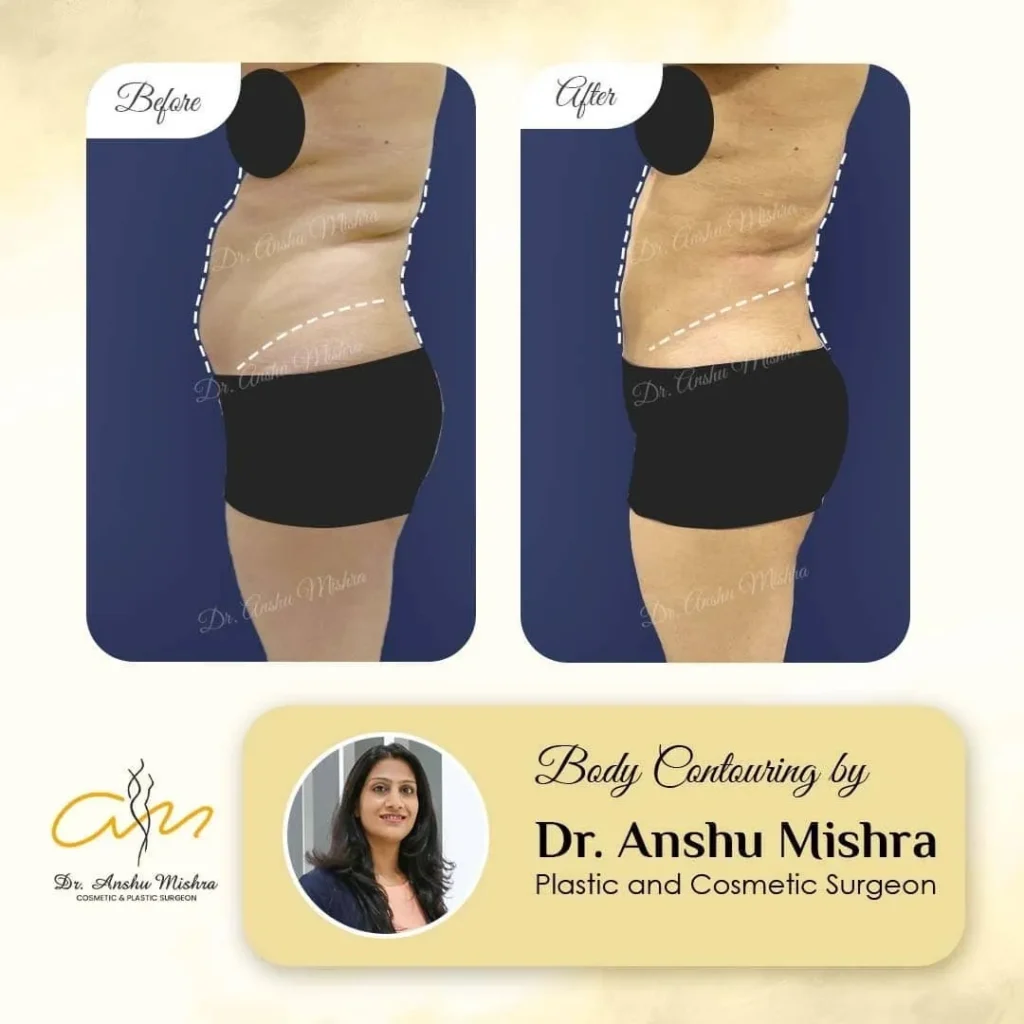
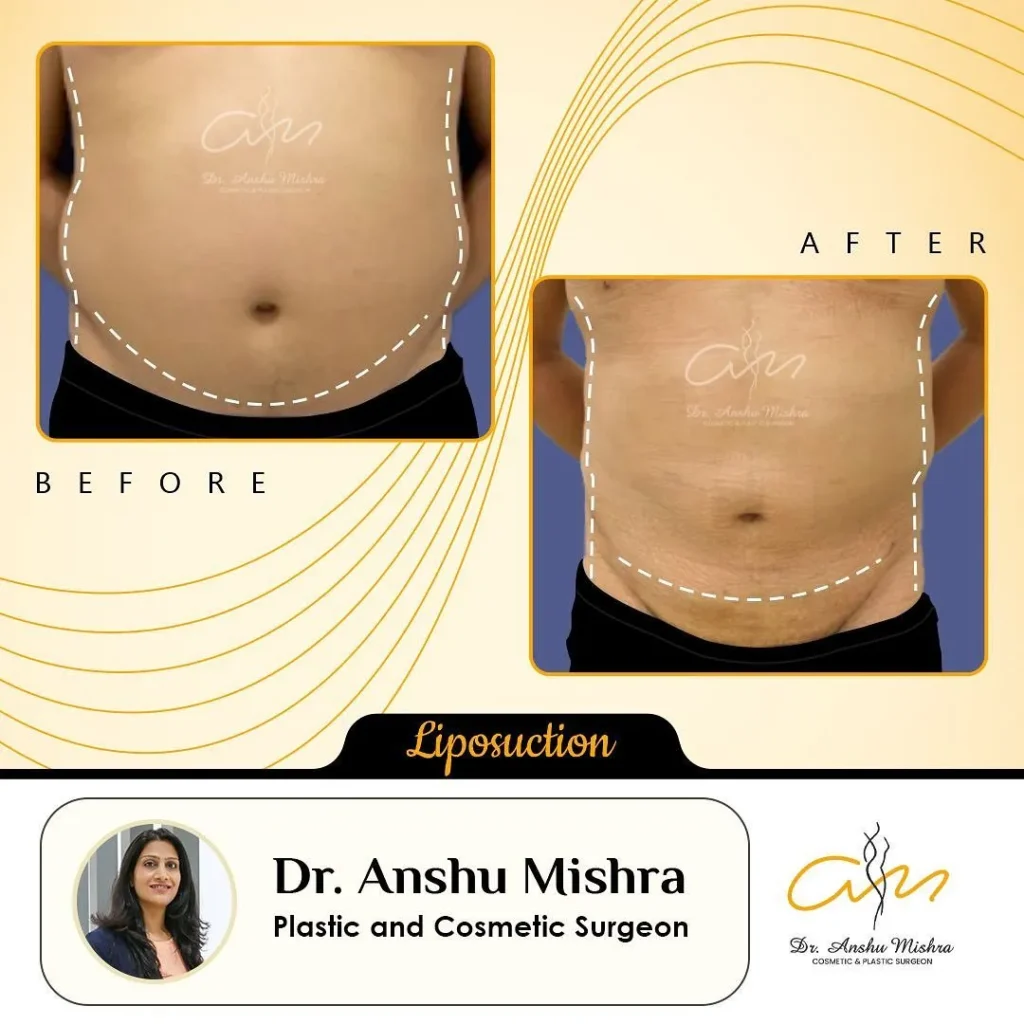
They’re different procedures, though sometimes combined. Liposuction removes fat deposits using suction, while a tummy tuck also removes excess skin and tightens the abdominal muscles. If your skin is still elastic and firm, liposuction might be enough. But if you have sagging skin or separated muscles (especially after pregnancy), a tummy tuck is the better option. Many patients opt for both together for comprehensive contouring, especially when they’re aiming for a flat, firm abdomen.
Yes, you can get pregnant, but it’s not recommended unless you’re okay with potentially reversing the results. Pregnancy can stretch the abdominal muscles and skin again, which might undo the benefits of the surgery. That’s why most plastic surgeons suggest waiting until after your last child before undergoing a tummy tuck. If you do become pregnant afterward, rest assured—it won’t harm the baby, but you may need a revision surgery later if the abdominal area changes significantly.
Yes, aging naturally impacts skin elasticity and muscle tone, which may gradually soften the results over the years. However, a tummy tuck can still provide a long-lasting improvement that typically looks better than if the surgery wasn’t done at all. Taking care of your skin, staying active, and maintaining a healthy lifestyle can help you retain a flatter abdomen for longer—even as you age.
Yes—but only partially. If your stretch marks are located on the lower abdomen (below the belly button), they’re likely to be removed along with the excess skin during surgery. However, stretch marks outside the treatment area (like on the upper abdomen or hips) won’t be removed. While it’s not the primary goal of a tummy tuck, many patients are pleasantly surprised by how much smoother and cleaner their skin looks afterward.
Not directly. A tummy tuck primarily addresses excess skin, fat, and muscle laxity. It doesn’t change your internal digestive system. However, many patients say they feel less “bloated” post-surgery—mainly because their abdomen is flatter and tighter, which improves posture and reduces that stretched-out feeling. If you frequently experience true digestive problems like bloating, reflux, or irregular bowel movements, talk to a gastroenterologist. A tummy tuck is for contour, not digestion, but it can still make you feel lighter and more in control of your core.
There’s no “perfect” age, but most tummy tuck patients are between 25 and 55. The main factors aren’t your age, but your overall health, lifestyle habits, and skin condition. If you’re in good physical shape, not planning on future pregnancies, and have a stable weight, you’re likely a good candidate—even if you’re younger or older than the typical range. What matters most is that your expectations are realistic and that you’re mentally and physically prepared for the surgery and recovery.
Start by looking for board-certified plastic surgeons with plenty of experience in abdominoplasty. Check reviews, before-and-after photos, and patient testimonials. Credentials matter, but so does how comfortable you feel during the consultation. Ask questions. Are they listening to your concerns? Are they transparent about risks, recovery, and expected outcomes? In Abu Dhabi, Dr. Anshu Mishra is highly recommended for her expertise and patient-focused care—especially if you’re seeking a personalized, natural-looking transformation.